Armistice Day remains a deeply significant global observance — a day not only to mourn the fallen but to reaffirm our commitment to peace.
At the 11th hour of the 11th day of the 11th month, the world pauses in unity to remember those who gave their today for our tomorrow.
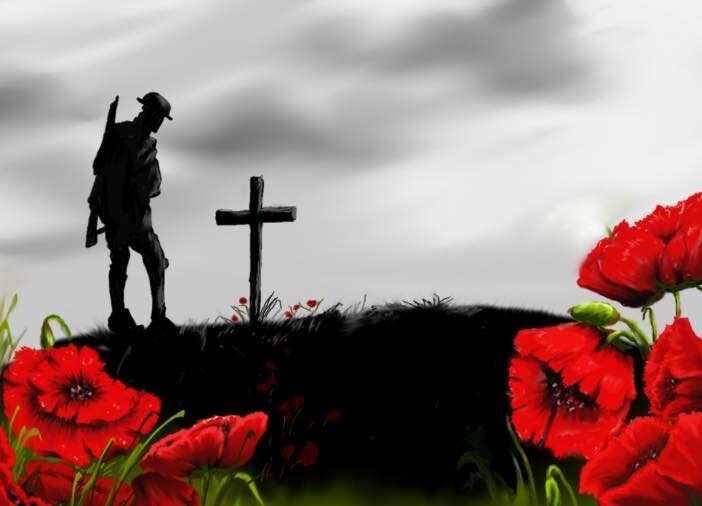
Armistice Day is observed every year on 11 November to mark the armistice that ended the fighting in World War I between the Allies and Germany. It is a solemn day of remembrance to honour those who lost their lives in the First World War and subsequent conflicts.
The armistice was signed at 5:00 a.m. on 11 November 1918 in a railway carriage in the Compiègne Forest, France. Fighting officially ceased at 11:00 a.m. that same day — the 11th hour of the 11th day of the 11th month. The day symbolized not only the end of a brutal conflict but also the beginning of global remembrance.
The armistice symbolized the end of a devastating global conflict that resulted in over 20 million deaths (soldiers and civilians). It represented not just victory but also immense loss, making remembrance both solemn and universal. On the first anniversary in 1919, King George V declared 11 November as a day of remembrance.

A red poppy symbolizes the blood split in war and was inspired by the 1915 poem "In Flanders Fields" by Lieutenant Colonel John McCrae. Today, people wear red poppies to honour fallen soldiers and all armed forces worldwide.
Two minutes of silence is observed worldwide at 11h00 on 11th of November each year. The first minute is for those who died in war and the second minute is for the living who were left behind.
A purple poppy is a symbol of remembrance for all animals killed in conflict.

